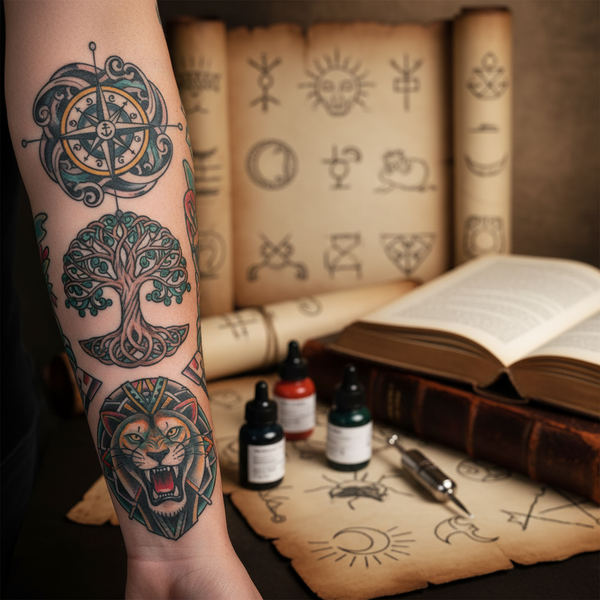
The Enduring Art: A Journey Through Tattoo Style Evolution

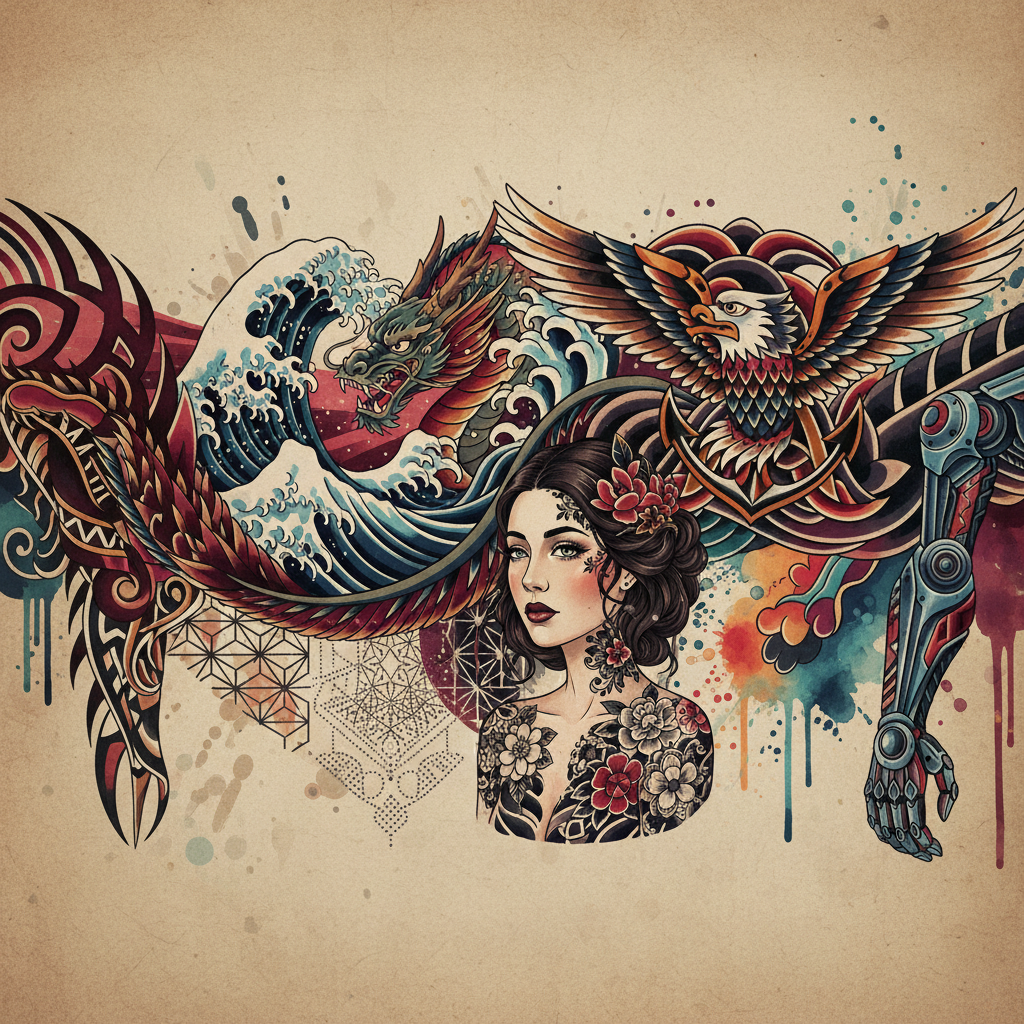
The Enduring Art: A Journey Through Tattoo Style Evolution
Tattooing is an ancient art form, constantly evolving yet always retaining its profound cultural significance. From tribal markings to modern masterpieces, each era has left its indelible mark on the canvas of human skin.
Traditional Styles: Roots of Ink
The earliest forms of tattooing, such as those seen in ancient Egypt or among indigenous tribes, were often geometric and symbolic, reflecting spiritual beliefs, social status, or rites of passage. In the Western world, the "traditional" or "Old School" style gained prominence in the early 20th century, popularized by sailors. Bold lines, limited color palettes (red, green, yellow, black), and iconic imagery like anchors, swallows, and pin-up girls define this timeless aesthetic.
Japanese Irezumi: A Rich Narrative
Irezumi, traditional Japanese tattooing, is a distinct art form with a deep history. Characterized by large-scale, intricate designs that often cover significant portions of the body, Irezumi tells stories of folklore, mythology, and heroic deeds. Dragons, koi fish, cherry blossoms, and samurai are common motifs, rendered with meticulous detail and vibrant colors, often using traditional hand-poking methods.
Blackwork and Geometric: Modern Minimalism
In recent decades, there's been a surge in blackwork and geometric styles. Blackwork focuses on heavy, solid black areas, creating striking contrast and graphic impact. Geometric tattoos, on the other hand, utilize clean lines, shapes, and patterns, often with dotwork shading, to create intricate and visually captivating designs that range from abstract to sacred geometry.
Realism and Portraiture: Capturing Life
The advent of modern tattoo machines and refined techniques has allowed for incredible realism and portraiture. Artists can now replicate photographs and hyper-realistic images on skin, capturing every detail, emotion, and texture. This style demands immense skill and precision, bringing faces, animals, and scenes to life with stunning accuracy.
New School and Illustrative: Playful and Artistic
New School tattooing emerged in the 1980s, characterized by its exaggerated features, vibrant colors, and cartoonish aesthetic. It often draws inspiration from graffiti, comic books, and extreme sports. Illustrative styles combine elements of realism, traditional, and graphic design, allowing artists to develop unique, highly personalized artistic expressions that often mimic drawings or paintings.
The journey of tattoo styles continues, with artists constantly pushing boundaries and innovating new techniques and aesthetics. Each style, whether ancient or contemporary, contributes to the rich tapestry of tattoo art, ensuring its perpetual evolution and enduring appeal.